
Views: 0 Author: Site Editor Publish Time: 2026-02-10 Origin: Site


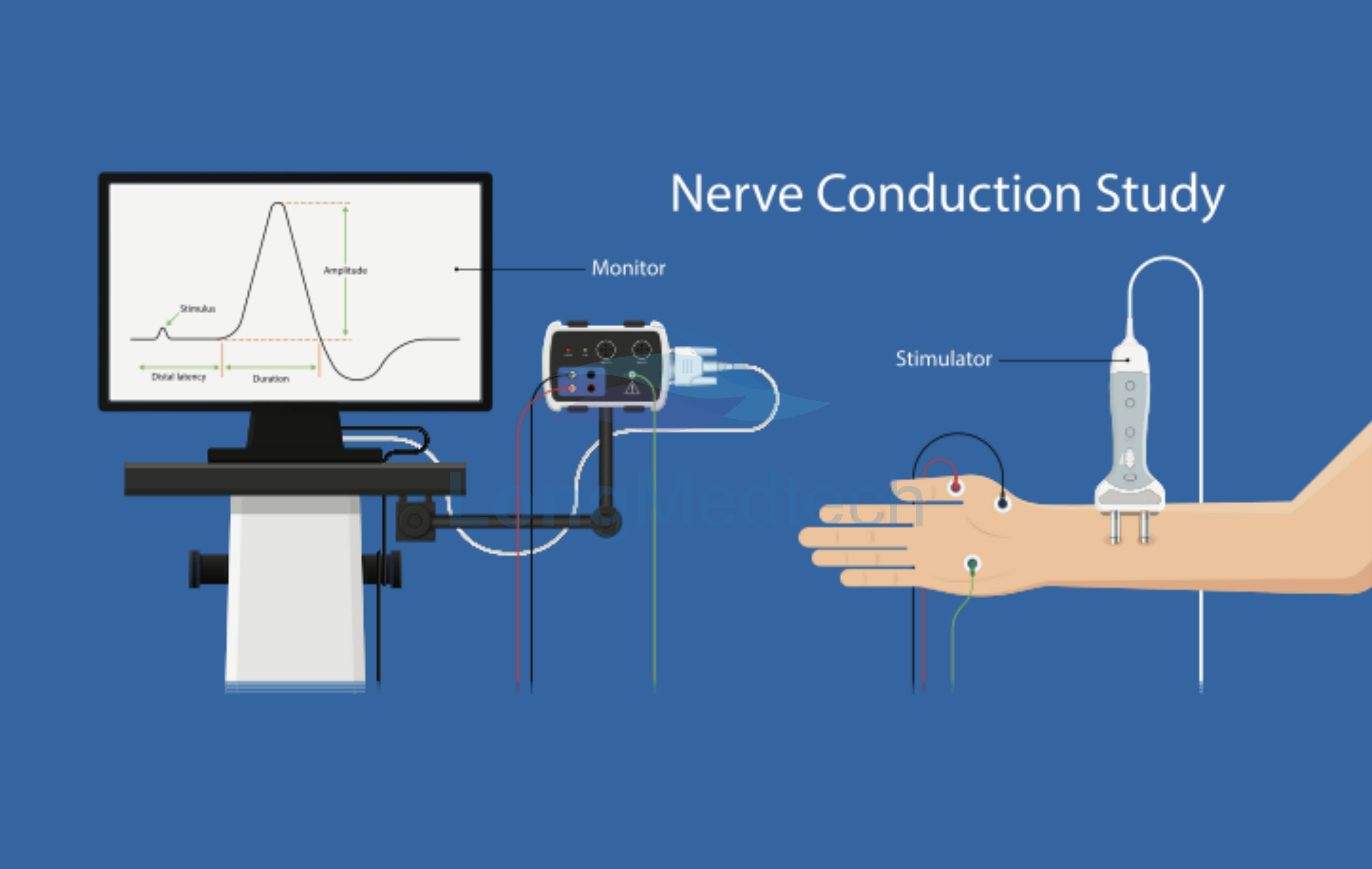
If you' ve been dealing with unexplained muscle or nerve discomfort, your doctor may recommend an EMG test. EMG checks the health of your muscles and the nerves that control them, helping identify injuries, pinched nerves, or nerve diseases.
Below are the most common symptoms that mean you may need an EMG:
Ⅰ. Numbness or Tingling
Persistent tingling, "pins and needles," or loss of feeling in your hands, arms, legs, or feet is a classic sign of nerve problems.
Ⅱ. Muscle Weakness
Trouble gripping objects, standing up, lifting, or general weakness that doesn't go away often points to nerve or muscle damage.
Ⅲ. Muscle Pain, Cramps, or Twitching
Uncontrolled twitching, frequent cramps, or deep muscle pain can signal abnormal electrical activity in muscles.
Ⅳ. Sharp or Burning Pain
Shooting, burning, or radiating pain — common in conditions like pinched nerves, sciatica, or carpal tunnel syndrome — is a key reason for EMG.
Ⅴ. Difficulty Moving
Trouble walking, climbing stairs, using your hands, or facial weakness may require nerve and muscle testing.
Ⅵ. After an Injury
If you have had an injury and still experience weakness, numbness, or pain, EMG can detect nerve or muscle damage.
Who Should Consider EMG?
Anyone with ongoing nerve or muscle symptoms that affect daily life. EMG is safe, commonly used, and helps doctors make an accurate diagnosis for proper treatment.
If you have these symptoms, talk to your doctor about whether an EMG is right for you.


