
Views: 6547 Author: Site Editor Publish Time: 2026-03-13 Origin: Site


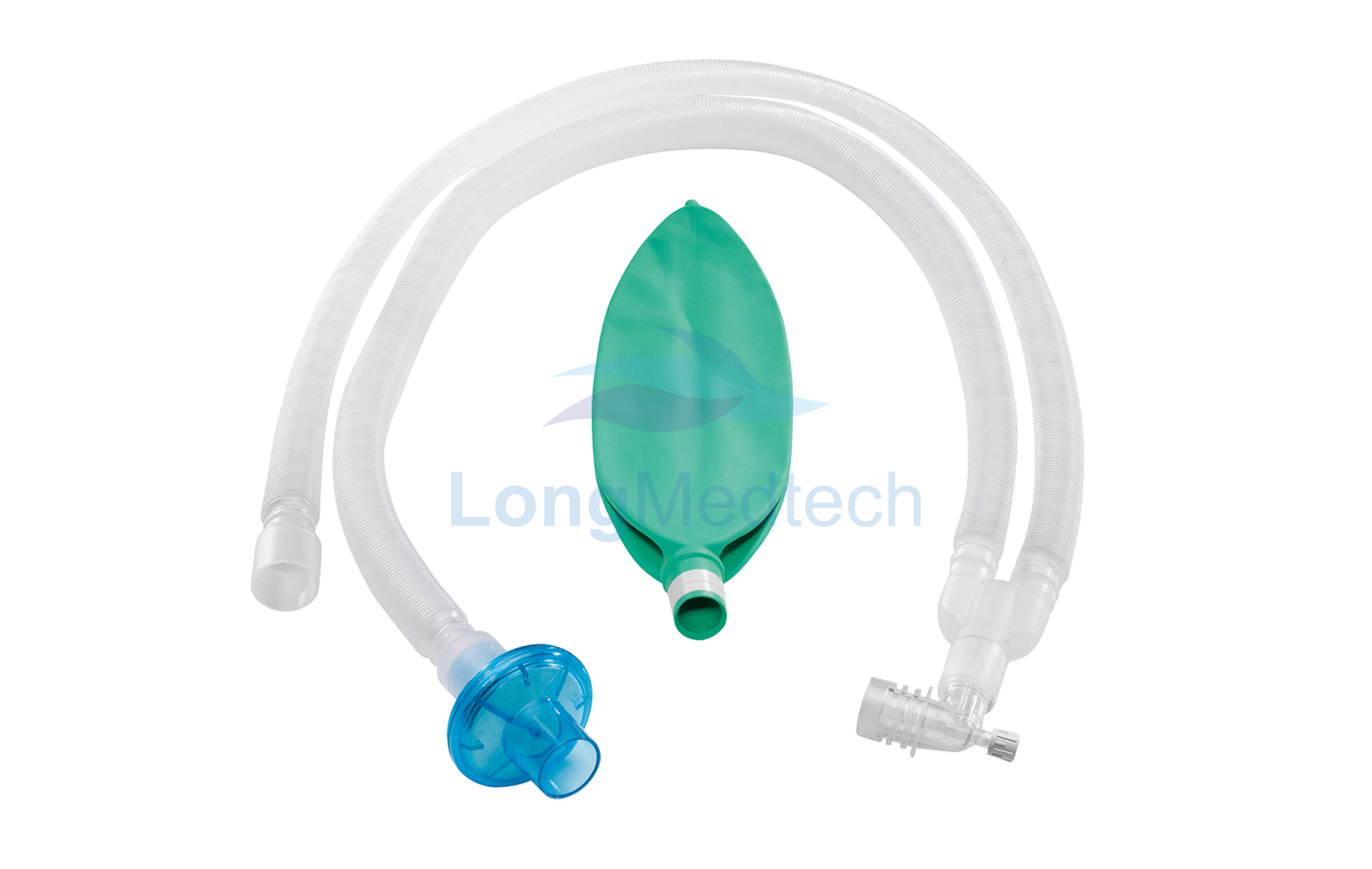
Anesthesia and respiratory consumables keep airways open, deliver oxygen, and lower infection risk. They are must have tools in ORs, ICUs, and emergency rooms. This post covers core types, uses, and selection tips.
Core Consumable Types
Airway Devices
Endotracheal tubes secure open airways for ventilation. Laryngeal masks enable fast, non-traumatic airway access. Nasal/oral airways keep soft tissues from blocking breathing. All come in patient‑matched sizes for safety and fit.
Breathing Circuits
Disposable circuits connect machines to patients. Flexible, kink‑resistant tubing ensures steady gas flow. Standard ISO connectors fit most anesthesia devices. Single‑use design cuts cross‑contamination.
Filters & HMEs
Bacterial/viral filters block pathogens and protect equipment. HMEs preserve heat and moisture to reduce lung irritation. High‑efficiency models meet global clinical standards.
Masks & Oxygen Supplies
Anesthesia masks create tight seals for gas delivery. Oxygen masks and nasal cannulas support recovery. Tracheostomy masks serve long‑term care patients. Soft, latex‑free materials boost comfort.
Key Benefits for Clinics
Strong infection control: Single‑use items lower cross‑contamination risk.
Consistent performance: Medical‑grade materials ensure reliability.
Easy workflow: Pre‑packed kits speed setup and reduce waste.
Wide compatibility: Works with mainstream anesthesia and ventilator systems.
How to Choose Right Consumables
1. Match patient size (neonate, pediatric, adult).
2. Pick single‑use for infection control.
3. Check ISO standard compliance.
4. Select kits to simplify stocking.
Final Notes
Anesthesia respiratory consumables are foundational to patient safety. Reliable, standardized supplies improve care quality and team efficiency. Choose trusted products that fit your workflow and meet clinical guidelines.
Need help selecting the right consumables? Contact our team for product details and custom solutions.


