
Views: 0 Author: Site Editor Publish Time: 2026-03-10 Origin: Site


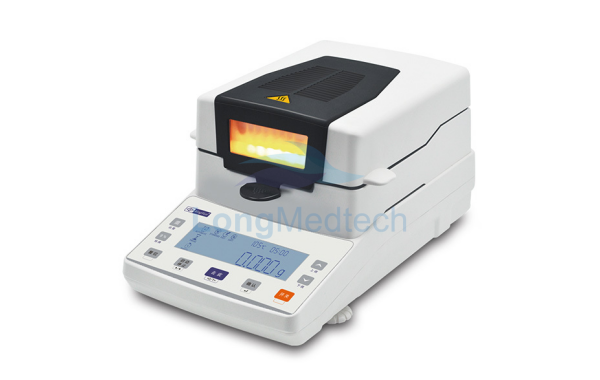
Moisture content directly influences safety, stability, and quality in medical and pharmaceutical production. A precision moisture balance provides fast, accurate testing to prevent defects, ensure compliance, and maintain consistent production. Below are the most common and essential scenarios where moisture balances are widely used in the medical device industry.
Medical Plastic Component Production
Many medical devices, such as syringes, catheters, surgical tools, and implant parts, are made from plastic materials. These materials are highly sensitive to moisture.
Too much moisture causes bubbles, cracks, or structural weakness during molding. A moisture balance tests raw materials quickly, helping manufacturers adjust drying processes and ensure every component meets strict medical standards. This reduces waste and improves production stability.
Pharmaceutical and Drug Manufacturing
Drugs, powders, capsules, and herbal materials require strict moisture control. Moisture affects drug effectiveness, shelf life, and chemical stability.
Pharmacopeia and regulatory standards require accurate moisture testing for both raw materials and finished products. A moisture balance provides simple, repeatable testing to support quality control and compliance, ensuring safe and reliable medicines for patients.
Sterile Medical Supplies and Dressings
Wound dressings, respiratory devices, sterile packaging, and disposable supplies all need stable moisture levels.
High moisture may increase the risk of contamination. Low moisture can make materials brittle or uncomfortable for patient use. Moisture balances help quality teams test materials and finished products to ensure safety, comfort, and performance.
Raw Material Inspection
Before production, all incoming materials must go through quality inspection.
Moisture is one of the key test items.
Using a moisture balance, factories can quickly check if materials meet requirements. This prevents unqualified materials from entering production, avoiding later quality risks and reducing production costs.
Final Product Quality Control
Before medical devices leave the factory, final moisture testing ensures they meet quality and regulatory standards.
Moisture balances deliver reliable results for batch records and audits. This final check protects manufacturers and ensures patients receive safe, high-quality products.
Moisture balances are essential tools in the medical device industry. They play an important role in material testing, production control, and final product inspection. For any medical device factory, a reliable moisture balance helps ensure quality, compliance, and long-term production safety.


